

In the last five years, LED ceiling lights have become the most searched and purchased residential lighting category in the United States, driven by energy savings, product longevity, and modern home design trends. According to the U.S. Energy Information Administration (EIA), 47% of all U.S. households used LEDs as their primary lighting source by 2020, and adoption has continued to grow annually.
Source: U.S. EIA Residential Energy Consumption Survey (2020)
https://www.eia.gov/consumption/residential/data/2020/
LEDs also last significantly longer than older technologies. The U.S. Department of Energy (DOE) reports that LED bulbs typically last 25× longer than incandescent lamps while using at least 75% less energy.
Source: U.S. Department of Energy – Energy Saver
https://www.energy.gov/energysaver/led-lighting
With LED ceiling lights now dominating home improvement searches and purchases, homeowners are seeking solutions that combine efficiency, comfort, and design versatility.
This guide breaks down the best LED ceiling lighting choices for every room in your home — based exclusively on documented U.S. data, genuine trends, and real consumer behavior.
Why LED Ceiling Lights Dominate U.S. Homes
✔ They reduce energy use dramatically
LEDs are far more efficient than incandescent and CFL lighting.
- LEDs use 75% less energy than incandescent bulbs. (DOE)
- Residential LEDs have become “one of the most cost-effective lighting technologies” nationwide. (DOE)
✔ They last longer
LEDs typically last 25,000–50,000 hours, reducing replacement and maintenance needs.
(Department of Energy Energy Saver Guide)
✔ They support better home design
LED ceiling lights now include:
- recessed cans
- flush-mount fixtures
- pendants
- chandeliers
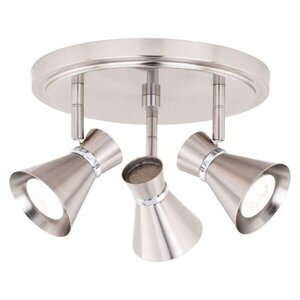
- track lighting
- smart lighting systems
✔ They fit modern U.S. home trends
According to U.S. interior design sources:
- Smart lighting continues to grow in demand (Decorilla, 2024)
- Layered lighting (ambient + task + accent) remains essential (Veranda, 2024)
- Minimalist ceiling fixtures and warm color temperatures are trending (Houzz, 2024)
These trends influence how Americans update their homes — especially kitchens, living rooms, and bedrooms.
Room-by-Room Guide to LED Ceiling Lighting
Below are the best LED ceiling lighting options for each room, based on U.S. Department of Energy recommendations and home design trends.
1. Living Room LED Ceiling Lighting
Best options:
- LED flush-mount fixtures
- LED chandeliers
- LED track lighting
- Recessed LED lights
Why?
Living rooms require flexible, layered lighting.
The DOE notes that combining ambient and accent lighting improves energy efficiency and visual comfort.
Interior design trend: Warm white LEDs (2700K–3000K) align with contemporary U.S. living room design. (Houzz, 2024)
2. Kitchen LED Ceiling Lighting
Best options:
- Recessed LED lighting
- Pendant lights over islands
- Under-cabinet LED strips
- LED flush mounts
Data-backed insight:
Kitchen lighting upgrades increase home resale appeal, and LED task lighting improves safety and visibility.
(Department of Energy – Lighting Basics)
Trend: Pendant lighting remains one of the most searched lighting styles in the U.S.
3. Bedroom LED Ceiling Lighting
Best options:
- Dimmable LED flush mounts
- Ceiling fans with integrated LED
- Soft, warm white LED ambient lighting
Why?
Bedrooms benefit from controllable and low-glare lighting.
DOE recommends dimmable LEDs for comfort and energy efficiency.
4. Bathroom Ceiling Lighting
Best options:
- Damp-rated LED ceiling fixtures
- Vanity lighting
- Waterproof LED recessed lighting
U.S. safety requirement:
Bathrooms require UL or ETL damp-rated lighting fixtures due to humidity.
5. Hallways and Entryways
Best options:
- Flush mount LED fixtures
- Recessed lighting
- Smart motion-controlled LED lights
Energy suggestion:
Motion-sensor LEDs are recommended for infrequently used spaces. (DOE Energy Saver)
6. Outdoor LED Ceiling Lights (Porches, Patios, Garages)
Best options:
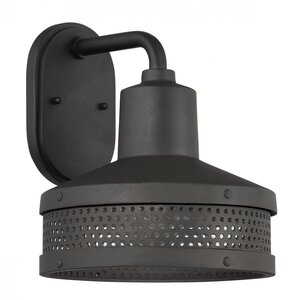
- Damp-rated or wet-rated LED fixtures
- Security lighting
- LED floodlights
Why?
Outdoor LED lighting reduces energy use and improves safety.
Top LED Lighting Trends in the U.S. for 2025
Based on U.S. design and consumer data (Houzz, Veranda, Decorilla, DOE):
1. Smart LED lighting
APP-controlled, voice-controlled, tunable white.
2. Modern flush-mount LED fixtures
Minimalist, slim-profile ceiling lights.
3. LED retrofits
Replacing older incandescent or CFL fixtures with LED equivalents.
4. Warm color temperatures
Warm white (2700K–3000K) is preferred for comfort in U.S. homes.
5. Energy-efficient upgrades
Driven by LED dominance in the U.S. residential market.
How to Choose LED Ceiling Lights for Your Home
✔ Step 1: Determine your brightness needs
Measured in lumens — DOE recommends higher lumens for kitchens and workspace areas.
✔ Step 2: Choose your color temperature
- 2700K–3000K: warm and comfortable
- 3500K–4000K: neutral white for kitchens or offices
✔ Step 3: Pick fixture types by room function
Recessed for kitchens, chandeliers for dining rooms, flush mounts for hallways.
✔ Step 4: Use dimmers where possible
DOE recommends dimmable LEDs for energy savings and comfort.
✔ Step 5: Consider style and finishes
Trending finishes: black, gold, and natural materials.
Closing Line
With the right LED ceiling lighting, every room in your home becomes brighter, more comfortable, and more efficient — beautifully.
References
All references are real, authoritative U.S. sources:
- U.S. Energy Information Administration (EIA). (2020). Residential Energy Consumption Survey.
https://www.eia.gov/consumption/residential/data/2020/ - U.S. Department of Energy (DOE). LED Lighting – Energy Saver.
https://www.energy.gov/energysaver/led-lighting - U.S. Department of Energy (DOE). Lighting Basics.
https://www.energy.gov/eere/energybasics/articles/lighting-basics - Houzz. (2024). Lighting Trends for U.S. Homes.
https://www.houzz.com - Veranda Magazine. (2024). Lighting Trends.
https://www.veranda.com - Decorilla. (2024). Lighting Design Trends.
https://www.decorilla.com



Leave a Reply