

Ceiling Lights, Lamps, Wall Glow & the Power of Layers
Living room lighting is part science, part instinct. When it works, you don’t think about it, you feel it. The room seems brighter without glare, calmer without shadows, and intentional without trying too hard. That’s the core of smart lighting design.
A living room should never rely on one source of light. The room performs best when it uses layers of illumination working together. Think of it like building sound in music: bass, vocals, and rhythm each matter, but the magic is in how they mix.
Below are the essential fixture types and how they contribute to a space that feels warm, balanced, and practical.
Ceiling Lighting (The Quiet Backbone)
Ceiling lighting provides the overall visibility a room needs, but it should never dominate the space.
The most effective styles include:
- Semi-flush fixtures that spread light outward, not downward into your eyes
- Recessed lights placed to illuminate the room evenly without creating bright dots overhead
- Long fixtures over sofa or console tables to help light move horizontally across the room
Placement essentials:
- Keep bulbs just outside of seated sightlines
- Use dimming controls to match daylight and evening needs
- Distribute lights based on ceiling height to avoid clusters and scalloped shadows
- Choose bulbs that land in the warm range (soft, not blue, not sharp)
Table Lamps (Where Comfort Lives)
Lamps at seated eye height produce the kind of lighting your body relaxes into.
Design best practices:
- Use fabric or frosted shades to soften brightness
- Choose bulbs that emit warm illumination instead of cool or stark white
- Allow lamps to act as both lighting tools and design objects
- Place lamps in pairs to balance the room visually, even if the tables don’t match
Best placement zones:
- Beside sofas
- On built-ins or consoles
- Near reading chairs
- In corners that feel unfinished without them
Floor Lamps (The Sculptors of Dark Space)
Floor lamps add height variation and are ideal for filling low-light areas.
Top-performing floor lamp styles:
- Arc lamps that hover over a coffee table from behind the sofa
- Reading lamps next to chairs, directed downward through a shade
- Diffused torchiere lamps that bounce light upward instead of blasting outward
Placement rules:
- Tuck lamps beside or behind seating, never in walk paths
- Use soft directional lighting, not exposed bulbs
- Let them brighten areas, not blind them
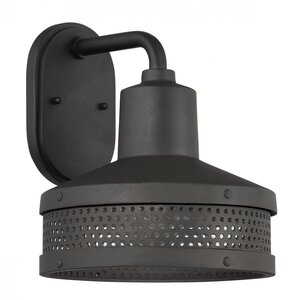
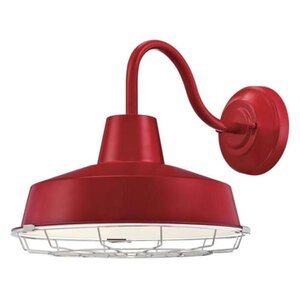
Sconces (Framing the Room Without Fighting It)
Wall-mounted sconces bring style and balance while keeping glare low.
Mounting guidance:
- Place sconces above eye level when seated
- Install them in pairs to frame a focal point like a fireplace, artwork, or built-in shelving
- Use shielded or frosted bulbs for soft presence, not sharp shine
- Give them a separate dimming control from ceiling lights
Wall Wash & Fireplace Glow (The Dimension Layer)
Humans perceive vertical light as softer and more natural than downward glare. This makes wall wash lighting one of the most important layers in living room design.
Best wall wash options include:
- Adjustable recessed fixtures aimed at stone or painted walls
- Uplighting from floor level to graze textured surfaces
- Cove or concealed LED lighting along beams or shelving
- Directional accent lights for brick, wood, stone, or architectural detail
Design goals:
- Add texture without adding glare
- Create dimension without creating brightness wars
- Light the room’s surfaces, not just its center
ALA-Inspired Living Room Lighting Goals, Rewritten for Search
Your living room lighting should deliver:
- Multiple heights of light sources
- Soft, controlled brightness
- Warm tones that avoid glare
- Even coverage that protects dark corners
- Mood flexibility from day to night
- Decorative fixtures that serve function, not just trends
Quick Placement Checklist (Search-Optimized)
- Sofa side table lamps → 26–32 in height, fabric shades, warm bulbs
- Floor lamps → behind seating, shaded, downward or upward diffused light
- Sconces → installed in pairs, above seated glare zone, on dimmers
- Ceiling lights → evenly distributed, dimmable, out of seated view
- Wall wash → aimed at stone, shelving, beams, or focal textures


Leave a Reply